Introduction
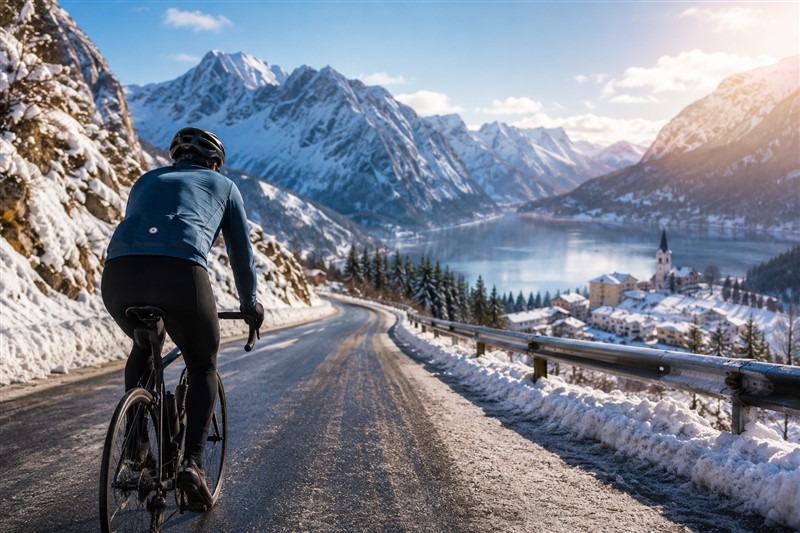
For many cyclists, the arrival of winter signals the end of the cycling season. However, for those willing to embrace cooler temperatures, quieter roads, and breathtaking seasonal landscapes, winter can be one of the most rewarding times of year to ride. Across Europe, cyclists can discover snow-capped mountains, frost-covered forests, coastal routes bathed in winter sunshine, and charming towns free from peak-season crowds.
Winter cycling experiences in Europe offer a unique perspective on some of the continent’s most beautiful destinations. Whether you prefer challenging mountain climbs in southern Spain, scenic coastal rides in Portugal, gravel adventures through the Italian countryside, or snow biking in Scandinavia, Europe provides a diverse range of cycling opportunities throughout the colder months.
In this guide, we explore some of the best winter cycling destinations and experiences in Europe, along with practical advice for planning a successful cold-weather cycling adventure.
Why Winter Cycling in Europe Is Growing in Popularity
The popularity of winter cycling holidays has increased significantly in recent years. Improvements in cycling infrastructure, the growth of cycling tourism, and advances in cycling clothing have made year-round riding more accessible than ever.
Many cyclists are discovering that winter offers several advantages over summer travel. Roads are often quieter, accommodation prices can be lower, and popular tourist destinations become more authentic when the crowds disappear. The crisp air and changing landscapes create a completely different riding experience compared to the warmer months.
Another major attraction is the diversity of climates available across Europe. While northern regions may experience snow and ice, southern destinations such as Spain, Portugal, Malta, and parts of Italy often enjoy mild temperatures ideal for cycling. This allows cyclists to choose the type of winter experience that best matches their preferences and fitness levels.
For training-focused riders, winter cycling in Europe provides an opportunity to maintain fitness when conditions at home may be unsuitable. Professional cycling teams frequently base their winter training camps in southern Europe for exactly this reason. Amateur cyclists can benefit from the same favourable conditions while enjoying a memorable travel experience.
Winter cycling also encourages a slower, more immersive style of travel. Riders often spend more time exploring local culture, sampling regional cuisine, and appreciating landscapes that look entirely different under winter skies. This combination of physical activity and cultural discovery makes winter cycling holidays particularly appealing.
Best Winter Cycling Destinations in Southern Europe
Mallorca, Spain
Few destinations are as closely associated with cycling as Mallorca. While the island is popular throughout the year, winter reveals a quieter and more relaxed side of this Mediterranean cycling paradise.
Temperatures during winter often range between 10°C and 18°C, making conditions comfortable for long rides. The roads remain in excellent condition, while reduced tourist traffic creates a more enjoyable riding environment.
Cyclists visiting Mallorca during winter can explore famous routes such as Sa Calobra, Cap de Formentor, and the Serra de Tramuntana mountain range. These roads offer spectacular scenery, challenging climbs, and breathtaking coastal views.
The island also benefits from a well-developed cycling infrastructure. Numerous hotels cater specifically to cyclists, offering secure bike storage, maintenance facilities, and tailored nutrition options. Many professional teams choose Mallorca for pre-season training camps, which further reinforces its reputation as one of Europe’s premier winter cycling destinations.
Beyond cycling, visitors can enjoy traditional villages, local markets, and excellent Mediterranean cuisine. This combination of sporting opportunities and cultural experiences makes Mallorca one of the most complete winter cycling experiences in Europe.
Algarve, Portugal
The Algarve has emerged as another favourite winter cycling destination. Located in southern Portugal, the region enjoys more than 300 days of sunshine each year and mild winter temperatures.
The cycling terrain is remarkably diverse. Riders can enjoy quiet coastal roads overlooking the Atlantic Ocean, rolling inland hills, and challenging climbs in the Monchique Mountains. The varied terrain appeals to road cyclists, gravel riders, and touring enthusiasts alike.
Winter in the Algarve offers a relaxed atmosphere. Traditional fishing villages remain active year-round, providing opportunities to experience authentic Portuguese culture. Fresh seafood, historic towns, and dramatic coastal scenery create an attractive backdrop for cycling adventures.
The region’s extensive network of quiet roads allows cyclists to escape busy tourist areas and discover lesser-known parts of Portugal. For riders seeking sunshine during the European winter, the Algarve consistently ranks among the best options available.
Costa Blanca, Spain
The Costa Blanca has become one of Europe’s leading winter training destinations. Located on Spain’s southeastern coast, the region combines reliable weather with challenging terrain and excellent cycling infrastructure.
The area around Calpe has become particularly popular among professional cyclists. Climbs such as Coll de Rates attract riders from across the world, while coastal routes provide more accessible options for recreational cyclists.
Winter temperatures often remain between 15°C and 20°C, creating ideal conditions for long-distance riding. The combination of sunshine, mountain scenery, and quiet roads makes Costa Blanca a perfect destination for riders seeking both fitness and enjoyment.
The local economy has embraced cycling tourism, resulting in numerous cyclist-friendly hotels, bike rental companies, guided tours, and support services. This makes planning a winter cycling holiday remarkably straightforward.
Exploring Europe’s Snow Cycling Experiences
While many cyclists head south in search of warmer weather, others embrace winter conditions and seek entirely different experiences. Snow cycling has grown rapidly in popularity, particularly in Scandinavia and alpine regions.
Fat Biking in Finland
Fat biking has transformed winter cycling by making snowy terrain accessible and enjoyable. These specialised bicycles feature oversized tyres that provide excellent traction on snow-covered trails.
Finland offers some of Europe’s finest fat biking experiences. Riders can explore frozen forests, snow-covered lakes, and wilderness trails that would be inaccessible during other seasons.
The landscapes are truly extraordinary. Dense forests coated in snow create a magical atmosphere, while the possibility of witnessing the Northern Lights adds an unforgettable element to the adventure.
Winter cycling in Finland often becomes more than simply a sporting activity. It is an immersive outdoor experience that combines physical challenge with extraordinary natural beauty.
Norway’s Winter Cycling Adventures
Norway has also embraced winter cycling tourism. Several regions maintain dedicated cycling routes throughout winter, allowing riders to experience dramatic fjords and mountain scenery in a completely different way.
Winter cycling in Norway requires careful preparation, but the rewards are substantial. Snow-covered landscapes, frozen waterfalls, and peaceful roads create an experience that few cyclists ever forget.
Local operators often provide guided tours, equipment hire, and technical support, making these adventures accessible even to those new to snow cycling.
Gravel Cycling During Winter in Europe
Gravel cycling has experienced tremendous growth across Europe, and winter is often an excellent time to explore unpaved routes.
Tuscany, Italy
Tuscany offers some of Europe’s most beautiful gravel cycling routes. During winter, the region’s famous white roads become quieter, allowing riders to enjoy rolling hills, vineyards, and medieval villages without peak-season traffic.
The cooler temperatures are often ideal for long-distance gravel riding. Routes through the Chianti region combine challenging terrain with spectacular scenery and cultural attractions.
Winter also brings opportunities to experience local traditions, seasonal cuisine, and regional festivals. For cyclists seeking a balance between adventure and cultural immersion, Tuscany remains one of Europe’s most rewarding destinations.
Andalusia, Spain
Andalusia provides another outstanding gravel cycling destination during winter. The region combines sunny weather with diverse terrain, ranging from olive groves and mountain tracks to desert landscapes.
Many gravel routes pass through historic villages and natural parks, creating opportunities to experience Spain beyond its major tourist centres.
The region’s favourable climate allows cyclists to enjoy extensive off-road adventures even during the heart of winter.
Essential Winter Cycling Preparation
A successful winter cycling experience depends heavily on preparation. Riders should pay particular attention to clothing, equipment, and route planning.
Layering is essential. Effective winter cycling clothing typically includes a moisture-wicking base layer, an insulating mid-layer, and a windproof outer shell. This system allows riders to regulate body temperature efficiently throughout changing conditions.
Visibility is equally important. Shorter daylight hours require powerful lights, reflective clothing, and careful route planning.
Tyre selection can significantly influence comfort and safety. Wider tyres often provide improved grip on wet roads and uneven surfaces, while studded tyres may be necessary in icy conditions.
Nutrition and hydration should not be overlooked. Cold weather can suppress feelings of thirst, increasing the risk of dehydration. Regular food intake helps maintain energy levels and body temperature during longer rides.
Cyclists travelling abroad should also consider travel insurance, bike transportation arrangements, and local weather patterns before departure.
Comparing Europe’s Top Winter Cycling Destinations
| Destination | Average Winter Temperature | Best For | Cycling Style |
|---|---|---|---|
| Mallorca, Spain | 10°C–18°C | Road cycling | Mountain and coastal routes |
| Algarve, Portugal | 12°C–18°C | Leisure and touring | Coastal and inland rides |
| Costa Blanca, Spain | 15°C–20°C | Training camps | Climbing and endurance rides |
| Tuscany, Italy | 5°C–15°C | Gravel cycling | White roads and countryside |
| Finland | -10°C–0°C | Fat biking | Snow trails |
| Norway | -5°C–5°C | Winter adventure | Snow and mountain routes |
Conclusion
Winter cycling experiences in Europe offer far more variety than many cyclists realise. From sun-drenched Mediterranean roads and picturesque gravel routes to snow-covered wilderness trails and Arctic adventures, the continent provides opportunities for every type of rider.
Whether your goal is maintaining fitness, exploring new destinations, experiencing different cultures, or simply extending your cycling season, Europe delivers exceptional winter cycling experiences. With proper preparation and a sense of adventure, winter can become one of the most rewarding times of year to travel by bicycle.
As cycling tourism continues to expand, winter cycling holidays are becoming an increasingly attractive option for riders seeking something beyond traditional summer trips. The combination of stunning landscapes, quieter roads, and unique seasonal experiences ensures that winter cycling in Europe remains an unforgettable adventure.