
Introduction
The history of the bicycle is a fascinating journey of innovation, engineering, and cultural transformation. From its humble beginnings as a wooden walking machine to today’s high-performance carbon fibre road bikes, the bicycle has evolved into one of the most efficient and widely used modes of transport in the world.
Understanding the history of the bicycle not only highlights technological advancements but also reveals how cycling has shaped urban mobility, sport, and leisure. In this article, we explore the origins, key developments, and global impact of bicycles through the centuries.
The Origins of the Bicycle
Early Concepts and the First Designs
The concept of a human-powered vehicle dates back centuries, but the first recognisable bicycle appeared in the early 19th century.
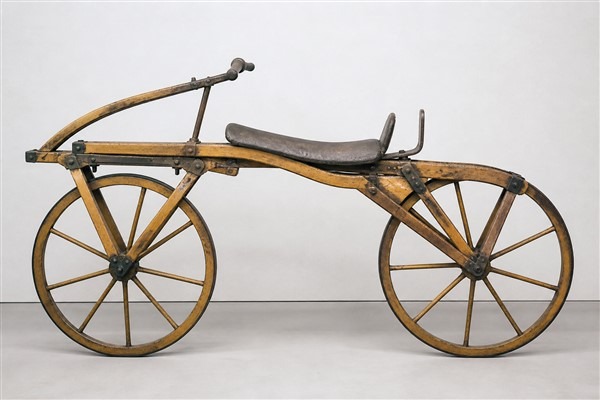
In 1817, German inventor Karl Drais created the “Laufmaschine” (running machine), often referred to as the Draisine. This early prototype had:
- Two wheels aligned in a frame
- A steering mechanism
- No pedals, riders propelled themselves by pushing off the ground
This invention marked the beginning of the history of the bicycle, introducing the fundamental idea of balance and two-wheeled transportation.
Why the Draisine Was Revolutionary
Although simple, the Draisine was groundbreaking because it:
- Introduced steerable front wheels
- Demonstrated balance-based mobility
- Laid the foundation for future bicycle designs
However, its popularity was short-lived due to poor road conditions and a lack of practicality.
The Pedal Revolution
The Velocipede Era (1860s)
The next major breakthrough in the history of the bicycle came in the 1860s with the addition of pedals.
French inventors Pierre Michaux and Pierre Lallement developed the velocipede, also known as the “boneshaker.”
Key Features:
- Pedals attached directly to the front wheel
- Wooden frame with iron tyres
- Extremely uncomfortable ride
Despite its rough design, the velocipede gained popularity and marked the beginning of bicycles as a commercial product.
Impact of the Velocipede
The velocipede:
- Sparked public interest in cycling
- Led to the first bicycle manufacturers
- Inspired competitive racing
It was a crucial step forward in the evolution and history of the bicycle.
The Penny-Farthing Era
High Wheel Bicycles (1870s–1880s)
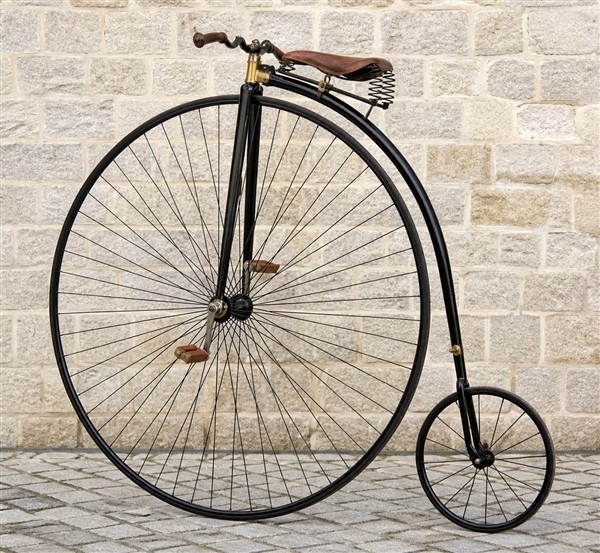
One of the most recognisable and distinctive designs in the history of cycling is the penny-farthing. Its name comes from old British coins, reflecting its unique structure with a very large front wheel and a much smaller rear wheel. This design represented a bold step forward in the evolution of the bicycle, driven by the desire to increase speed and improve mechanical efficiency.
First appearing in the 1870s, the penny-farthing quickly became associated with innovation and social status. It gained popularity particularly among affluent young men, who saw cycling not only as a form of recreation but also as a fashionable pursuit. Its unusual and eye-catching design made it instantly identifiable and helped cement cycling’s place in popular culture.
Why the Large Front Wheel?
The most defining feature of the penny-farthing, the oversized front wheel, was not purely aesthetic. It played a key role in enhancing performance.
With the pedals fixed directly to the front wheel in a direct-drive system, the distance covered with each rotation depended entirely on the wheel’s size. As a result, a larger front wheel allowed riders to travel further with each pedal stroke, increasing both speed and efficiency.
Advantages and Risks
While faster than previous models, penny-farthings were:
- Difficult to mount and dismount
- Dangerous due to high centre of gravity
- Prone to forward falls (“headers”)
Despite these risks, they became a symbol of status and innovation.
The Safety Bicycle Revolution
The Birth of the Modern Bicycle (1880s)
The most important turning point in the history of the bicycle came with the invention of the safety bicycle.
Developed in the 1880s, this design introduced:
- Equal-sized wheels
- Chain-driven rear wheel
- Lower centre of gravity
This design closely resembles modern bicycles.
Why It Was Called the “Safety Bicycle”
Compared to the penny-farthing, it was:
- Easier to ride
- Safer and more stable
- Accessible to a wider audience, including women
This innovation democratized cycling and significantly expanded its popularity.
The Introduction of Pneumatic Tyres
A Game-Changing Innovation
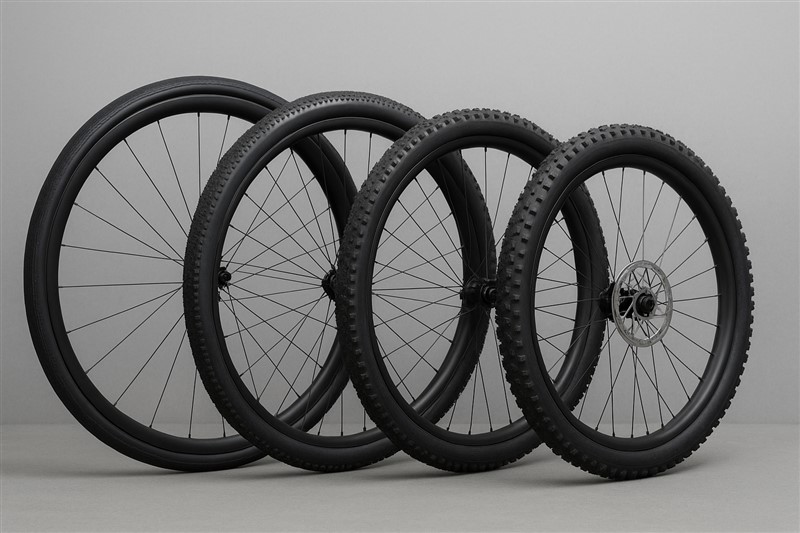
The introduction of pneumatic tyres marked a major turning point in transport history, fundamentally changing how vehicles moved, how fast they could travel, and how comfortable journeys became.
The key breakthrough is usually credited to John Boyd Dunlop, a Scottish veterinarian who in 1887 developed the first practical pneumatic (air-filled) tyre for his son’s tricycle. At the time, most wheels were solid rubber or even iron, which made travel harsh, noisy, and inefficient. Dunlop’s idea was simple but transformative: replace the solid wheel surface with a flexible rubber tube filled with compressed air.
Why it mattered
Before pneumatic tyres, vehicles, whether bicycles, horse-drawn carriages, or early automobiles, suffered from:
- Severe vibration and discomfort
- Poor traction on uneven roads
- High rolling resistance (meaning more effort was needed to move forward)
- Frequent structural damage to wheels and frames
The air-filled tyre acted like a cushion, absorbing shocks from rough surfaces. This immediately improved comfort, but more importantly, it reduced energy loss, allowing vehicles to move faster with less effort.
Rapid adoption in transport
The first major success came in cycling. Pneumatic tyres made bicycles significantly more practical for long-distance travel and racing. This led to a cycling boom in the late 19th century, often called the “Golden Age of Cycling.”
Soon after, the technology was refined and adopted for motor vehicles. Companies like Michelin in France played a crucial role in improving durability and making tyres removable, which made maintenance far easier for early motorists.
Impact on the automobile industry
As cars emerged in the early 20th century, pneumatic tyres became essential rather than optional. Without them, early automobiles would have been slow, unstable, and impractical on the road networks of the time.
They enabled:
- Higher vehicle speeds
- Safer handling and braking
- Expansion of road travel and infrastructure
- The growth of mass automobile ownership
Long-term significance
Today, pneumatic tyres remain the global standard for most vehicles, from bicycles and motorcycles to cars, trucks, and aircraft landing gear. Modern versions include advanced materials, radial construction, and run-flat technology. Still, the core principle remains the same as in Dunlop’s original design: using compressed air to create a flexible, shock-absorbing interface between the vehicle and the road.
In short, the introduction of the pneumatic tyre didn’t just improve transportation, it helped make modern mobility possible.
Bicycle Boom of the 1890s
Cycling Becomes a Global Phenomenon
The bicycle boom of the 1890s was one of the most significant yet often underappreciated social revolutions of the late 19th century. It wasn’t just a transportation trend; it reshaped mobility, fashion, gender roles, leisure culture, and even urban planning across Europe and North America.
The technology that triggered the boom
The explosion in bicycle use was made possible by a series of key innovations, most importantly the safety bicycle and the pneumatic tyre. Earlier designs like the penny-farthing were unstable, dangerous, and accessible mainly to young, athletic men. The safety bicycle, featuring equal-sized wheels, a chain drive, and improved balance, made cycling far more practical for the general public.
When pneumatic tyres were added, cycling became dramatically more comfortable and efficient. Roads that once felt punishing could now be travelled with relative ease, opening cycling to wider social groups.
Mass adoption and the “bicycle craze”
By the 1890s, bicycles had shifted from luxury curiosities to mass-market consumer goods. Prices gradually fell due to improved manufacturing techniques, and companies such as Rover Company helped standardise production of reliable models.
This led to what was widely known as the “bicycle craze”:
- Cycling clubs formed across cities and towns
- Long-distance touring became a popular leisure activity
- Bicycle races attracted large crowds and media attention
- Entire industries developed around repair, accessories, and clothing
For the first time, personal transport was not dependent on horses, railways, or walking. Individuals could travel independently, quickly, and relatively cheaply.
Social impact: mobility and independence
One of the most profound changes brought by the bicycle boom was increased personal freedom. People were no longer tied as closely to where they lived or worked. Commuting became more practical, especially for the emerging urban middle class.
This shift also subtly reshaped cities. As cycling increased, demand grew for better roads, smoother surfaces, and more connected routes, early pressure that would later influence automobile infrastructure.
Women and social change
Perhaps the most culturally significant impact was on women’s independence. Cycling gave women unprecedented personal mobility at a time when their movement was often socially restricted.
It enabled:
- Greater independence in travel without male accompaniment
- Access to employment opportunities farther from home
- Participation in leisure and sport
- A symbolic break from rigid Victorian social norms
The bicycle also influenced fashion. Traditional restrictive clothing was impractical for cycling, helping popularise more functional outfits such as bloomers and looser garments. This change was controversial but gradually contributed to broader movements for dress reform and women’s emancipation.
Cultural symbolism and criticism
The bicycle became a symbol of modernity, speed, and progress. Writers, artists, and reformers often celebrated it as a machine that liberated the individual. At the same time, critics argued it encouraged moral looseness, social disruption, and even physical strain—especially for women, in a reflection of contemporary anxieties about changing gender roles.
Long-term legacy
Although the initial “boom” stabilised by the early 20th century as automobiles emerged, its effects lasted far longer. The bicycle helped normalise personal transport, shaped urban infrastructure, and laid cultural groundwork for later debates about mobility and independence.
In many ways, the bicycle boom of the 1890s was not just about a new machine; it was about redefining how people moved through, experienced, and understood the modern world.
Evolution in the 20th Century
Technological Advancements
Throughout the 20th century, bicycles underwent continuous improvement:
Key Developments:
- Multi-speed gears
- Lightweight steel frames
- Improved braking systems
- Derailleur technology
These innovations made bicycles more efficient and versatile.
Bicycles in Transportation and War
Bicycles played important roles beyond recreation:
- Used by soldiers in both World Wars
- Essential transport in urban and rural areas
- Affordable mobility in developing regions
The Rise of Competitive Cycling
Cycling as a Sport
The rise of competitive cycling in the late 19th and early 20th centuries transformed the bicycle from a leisure device into a highly refined piece of sporting technology. What began as informal racing on roads and velodromes quickly evolved into organised competitions that pushed engineers, manufacturers, and athletes to rethink what a bicycle could do.
Early competition and the need for speed
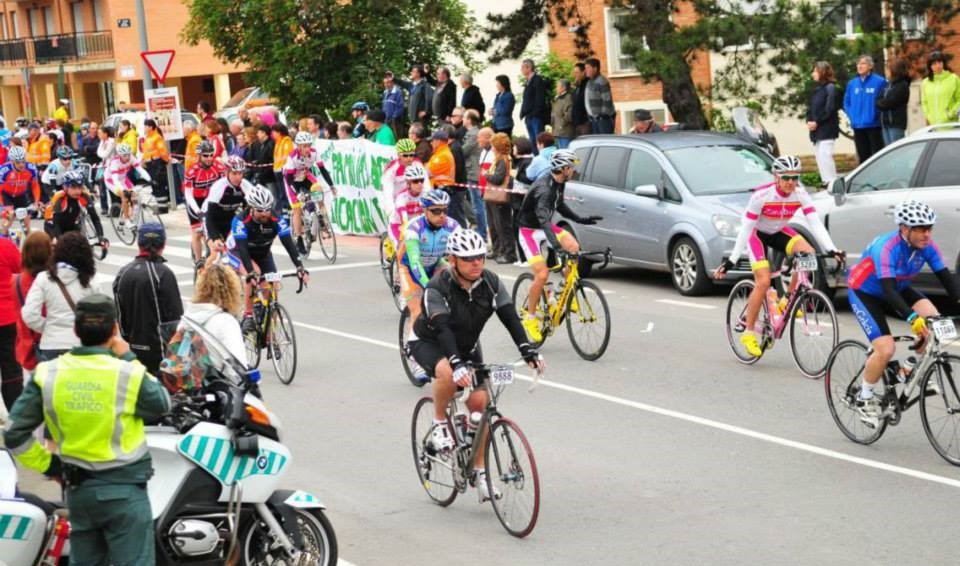
By the 1890s, cycling races had become a major public spectacle across Europe and North America. Track racing in particular drew large crowds, with riders competing in indoor and outdoor velodromes. These events created a direct feedback loop between performance and design: faster riders demanded better machines, and better machines enabled even faster racing.
At this stage, bicycles were still relatively heavy compared to modern standards, but racing quickly exposed their limitations, especially in weight, aerodynamics, and durability.
The role of pneumatic tyres and efficiency gains
One of the most important technological accelerators was again the pneumatic tyre. In competitive cycling, the benefits were immediate. Reduced rolling resistance and improved shock absorption allowed riders to maintain higher speeds over longer distances with less fatigue.
This made pneumatic tyres not just an improvement, but a necessity for serious competition.
Organised racing and institutional influence
As cycling grew in popularity, formal organisations emerged to regulate and standardise competition. The creation of the Union Cycliste Internationale (UCI) in 1900 marked a turning point. It helped unify rules, equipment standards, and race categories, which in turn influenced manufacturers to design bicycles specifically to meet competitive requirements.
Standardisation meant that innovation could be tested fairly across events, accelerating technological progress.
The Tour de France and endurance engineering
One of the most influential events in cycling history, the Tour de France (first held in 1903), pushed bicycle design in a completely new direction. Unlike short track races, the Tour demanded endurance over extreme distances and varied terrain.
This changed design priorities dramatically:
- Lighter frames for long climbs
- Stronger wheels for rough roads
- More reliable drivetrains for multi-day use
- Improved rider comfort for sustained performance
Manufacturers realised that winning such events was powerful advertising, which further incentivised innovation.
Manufacturers and engineering breakthroughs
Companies like Peugeot and Bianchi became deeply involved in racing, using competition as a testing ground for new technologies. Racing success directly translated into commercial success, creating one of the earliest examples of “sports marketing” in modern industry.
Key innovations driven by racing included:
- Lighter steel tubing and frame geometry improvements
- Chain-driven gearing systems for better hill climbing
- Pneumatic tyre refinements for different terrains
- Early aerodynamic considerations in rider posture and frame shape
How racing changed bicycle design philosophy
Before competitive cycling, bicycles were primarily designed for stability and general use. After racing took hold, design philosophy shifted toward optimisation: every gram, every angle, and every mechanical loss mattered.
This led to a new idea in engineering:
The bicycle was no longer just a vehicle – it was a performance machine.
Manufacturers began to specialise, producing different bicycles for racing, touring, and urban use. This separation of design categories is still visible in modern cycling today.
Long-term legacy
The influence of early competitive cycling still shapes modern bicycles. Carbon fibre frames, aerodynamic wheelsets, indexed gearing systems, and even rider clothing all trace their origins back to the intense experimentation of early racing culture.
In essence, competitive cycling did not just make riders faster, it forced the bicycle itself to evolve into one of the most efficient human-powered machines ever created.
Modern Bicycles and Innovation
Materials and Engineering
Today’s bicycles are the result of over two centuries of development.
Modern features include:
- Carbon fibre frames
- Disc brakes
- Electronic shifting systems
- Aerodynamic designs
Types of Modern Bicycles
The diversity of bicycles reflects their widespread use:
| Durable frame, wider tyres | Purpose | Key Features |
|---|---|---|
| Road Bike | Speed on paved roads | Lightweight, thin tires |
| Mountain Bike | Off-road trails | Suspension, wide tires |
| Hybrid Bike | Mixed terrain | Versatility, comfort |
| Gravel Bike | Rough roads and trails | Durable frame, wider tires |
| Electric Bike (eBike) | Assisted cycling | Motor support, battery-powered |
The Bicycle in the 21st Century
Sustainability and Urban Mobility
In the 21st century, the bicycle has experienced a renewed relevance that goes far beyond sport or leisure. It now sits at the intersection of transport, health, sustainability, and technology. While cars dominate long-distance travel, bicycles have increasingly become the preferred choice for short urban journeys, especially in densely populated cities.
Urban congestion, rising fuel costs, and environmental concerns have all contributed to a shift in how people view cycling. Cities such as Amsterdam, Copenhagen, and London have expanded cycling infrastructure, making bicycles a practical and often faster alternative to cars for commuting. In many places, cycling is no longer seen as a niche activity but as a core part of urban mobility systems.
At the same time, cycling culture has diversified. Road cycling, mountain biking, commuting, bikepacking, and gravel riding have all grown into distinct subcultures, each with its own communities, equipment, and identity. The bicycle has become both a tool and a lifestyle expression.
Cycling as a Lifestyle
Cycling today is as much about identity and lifestyle as it is about transport. For many people, it represents a conscious choice to prioritise health, sustainability, and simplicity.
The rise of cycling communities, social media groups, and long-distance challenges has helped reinforce this identity. Events like multi-day endurance rides, urban commuting challenges, and adventure cycling tours have become popular ways for individuals to connect through shared experiences.
Health and wellness trends have also played a major role. Cycling is widely recognised as a low-impact cardiovascular exercise that supports mental well-being. As a result, it is increasingly integrated into daily routines rather than treated purely as a recreational activity.
Fashion and branding have also evolved alongside this shift. Cycling apparel, accessories, and even commuter bikes are now designed with aesthetics in mind, blending performance with lifestyle appeal.
The Rise of E-Bikes and Assisted Cycling
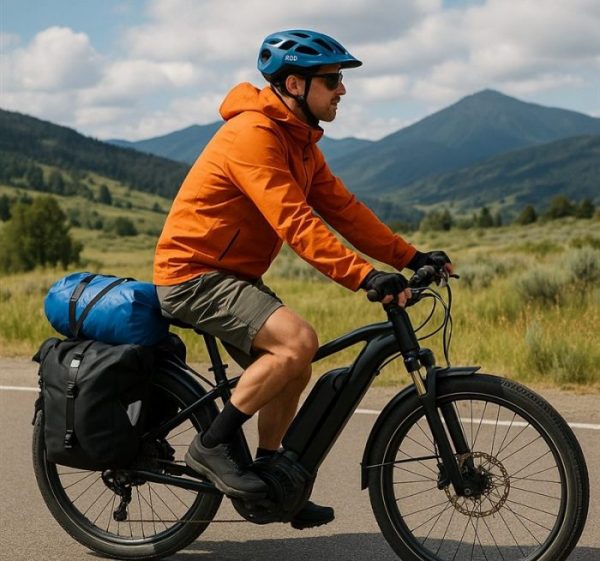
One of the most transformative developments in modern cycling is the rise of the electric bicycle, or e-bike. E-bikes use small electric motors to assist pedalling, making cycling accessible to a much wider audience.
This technology has dramatically changed who cycles and how they cycle. Hills, long distances, and heavy loads are no longer major barriers. Commuters who might have previously relied on cars are now switching to e-bikes because they reduce effort without removing the physical benefits of cycling.
E-bikes have also expanded cycling into new use cases:
- Delivery and logistics in urban centres
- Cargo transport for families and businesses
- Commuting over longer suburban distances
- Recreational cycling for older riders or those returning to exercise
Companies such as Bosch eBike Systems have played a major role in developing reliable drive systems, batteries, and smart integration features that power modern e-bikes. Today’s models often include GPS tracking, regenerative braking concepts, and app-based ride analytics.
Far from replacing traditional bicycles, e-bikes have expanded the cycling market, bringing new riders into the ecosystem and reshaping urban transport planning.
Innovations and Technology in Modern Cycling
The bicycle industry has undergone a quiet technological revolution in recent decades. Modern bikes are significantly more advanced than their 20th-century predecessors, even when they appear simple on the surface.
Key innovations include:
- Lightweight materials: Carbon fibre frames and advanced aluminium alloys have drastically reduced weight while increasing strength.
- Electronic shifting systems: Precision gear changes are now controlled electronically rather than mechanically, improving performance and reliability.
- Smart connectivity: Many bikes now integrate with smartphones for navigation, fitness tracking, theft protection, and diagnostics.
- Aerodynamic engineering: In competitive cycling, wind resistance is now one of the most heavily studied factors, influencing frame shape, wheel design, and rider posture.
- Disc brakes: Modern braking systems provide more consistent stopping power in all weather conditions, improving safety and control.
Cycling technology is also increasingly data-driven. Power meters, cadence sensors, and heart-rate integration allow riders to optimise training with scientific precision. This has blurred the line between sport, engineering, and personal health monitoring.
The Future of the Bicycle
Looking ahead, the future of the bicycle is closely tied to sustainability, urban design, and smart technology. As cities aim to reduce carbon emissions, bicycles are expected to play an even larger role in transport ecosystems.
Several key trends are shaping this future:
- Micromobility integration: Bikes will increasingly coexist with scooters, shared e-bikes, and public transport systems in unified mobility networks.
- Autonomous and connected infrastructure: Smart traffic systems may eventually prioritise cyclists, improving safety and route efficiency.
- Advanced e-bike evolution: Lighter batteries, faster charging, and longer range will make electric assistance even more seamless.
- Modular and adaptable designs: Future bicycles may be highly customisable, allowing riders to switch configurations for commuting, cargo, or recreation.
- Sustainability in manufacturing: Increased use of recyclable materials and low-carbon production methods will become standard across the industry.
In many ways, the bicycle’s future is not about replacing cars entirely, but about redefining urban movement. It is becoming a key component of “last-mile” transport and a cornerstone of healthier, more sustainable cities.
Conclusion
From its origins as a simple human-powered machine, the bicycle has evolved into a sophisticated, culturally significant, and technologically advanced form of transport. In the 21st century, it is no longer just a vehicle, it is a lifestyle, a fitness tool, a sustainable transport solution, and increasingly, a smart connected device.
With the rapid growth of e-bikes and ongoing innovation, the bicycle is not fading into history alongside the rise of the automobile. Instead, it is entering a new era of relevance, one defined by technology, environmental awareness, and a renewed appreciation for simple, efficient movement.