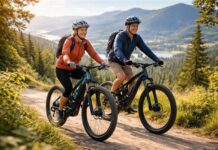
Introduction: The Search for the Perfect All-Rounder Bicycle
Every cyclist dreams of owning a bike that can handle everything — smooth roads, rough gravel, forest paths, and even long-distance touring. While road bikes dominate tarmac and mountain bikes rule the trails, gravel bikes have quietly become the most versatile, go-anywhere machines on two wheels.
But are they really the best all-rounder bicycles? Or just a trend born from marketing and modern cycling culture?
Let’s explore what makes gravel bikes unique, their strengths and limitations, and why they might just be the ultimate one-bike solution for most riders.
What Is a Gravel Bike?
At its core, a gravel bike is a hybrid between a road bike and a cyclocross or adventure bike. It’s designed for mixed terrain — think asphalt, gravel roads, forest trails, and light singletrack.
Defining Features
| Feature | Description | Benefit |
|---|---|---|
| Frame Geometry | Relaxed compared to a road bike | Comfort and stability on long rides |
| Tire Clearance | Fits wider tires (35–50mm+) | Better grip and shock absorption |
| Disc Brakes | Standard on most models | Reliable stopping power in all weather |
| Mounting Points | Extra mounts for racks, bags, and bottles | Perfect for bikepacking and touring |
| Drivetrain | 1x or 2x setups | Simplified shifting or wider gear range |
The result is a bike that performs well on most surfaces, offering the speed of a road bike with the durability of an off-road machine.
Why Gravel Bikes Are So Popular
Gravel cycling exploded in popularity because it gives riders something few bikes can — freedom and flexibility. You’re no longer limited to paved roads or mountain trails; you can go wherever curiosity leads.
Here’s why more cyclists are choosing gravel bikes:
1. Unmatched Versatility
Gravel bikes handle everything from fast commutes to weekend adventures.
- On the road: They roll efficiently and can keep pace with endurance road bikes.
- Off-road: Wider tyres and stable geometry let you tackle rougher surfaces confidently.
- Adventure touring: Mounts for racks and bags make them ideal for long-distance journeys.
Essentially, you get one bike that can do almost everything.
2. Comfort and Endurance
Long days in the saddle demand comfort, and gravel bikes excel here.
Their relaxed geometry reduces strain on your back and neck, while wider tyres absorb vibrations that road bikes would transmit directly to your body.
Many riders find gravel bikes perfect for endurance rides, commuting, and even bikepacking across countries.
3. Durability and Low Maintenance
Gravel bikes are built tough — think sturdy frames, reinforced wheels, and sealed components.
They’re designed for rough conditions, so they require less frequent maintenance compared to lightweight road racing bikes.
4. One Bike for Every Season
Whether it’s sunny tarmac, muddy trails, or winter slush, gravel bikes handle it all.
Add fenders for wet weather, swap tyres for conditions, and you’ve got a true year-round bike.
Gravel Bike vs Road Bike: Key Differences
It’s tempting to think of gravel bikes as just road bikes with fatter tyres — but there’s more to it. Here’s how they compare:
| Aspect | Gravel Bike | Road Bike |
|---|---|---|
| Geometry | Relaxed, stable | Aggressive, aerodynamic |
| Tire Width | 35–50mm+ | 23–32mm |
| Brakes | Hydraulic discs | Rim or disc |
| Surface Use | Mixed terrain | Paved roads |
| Comfort Level | High | Medium to low |
| Speed on Tarmac | Slightly slower | Faster |
| Mounts for Gear | Multiple | Minimal |
If your rides involve a mix of road and dirt, a gravel bike is far more practical.
But if you race or ride purely on smooth roads, a road bike still wins for speed.
Gravel Bike vs Mountain Bike: Which Is Better Off-Road?
Gravel bikes aren’t replacements for mountain bikes — but they bridge the gap beautifully.
Where Gravel Bikes Win
- Faster on flat or rolling terrain
- Easier to cover long distances
- Better for light off-road riding or unpaved paths
- More efficient on mixed routes
Where Mountain Bikes Win
- Technical trails with roots and rocks
- Steeper descents and jumps
- Suspension comfort and traction
In short: gravel bikes thrive where roads end, but before the trails get gnarly.
Are Gravel Bikes Good for Bikepacking?
Gravel bikes are among the best options for bikepacking, combining efficiency, comfort, and off-road capability in one versatile package. Designed for long days in the saddle and mixed terrain, they strike the perfect balance between speed and stability.
Here’s why gravel bikes excel at bikepacking:
- Mounting Points Galore: Most gravel frames include multiple mounts for frame bags, racks, water bottles, and fenders — giving you flexibility to carry gear for multi-day trips.
- Efficient Yet Capable: The geometry allows for a comfortable, upright position without sacrificing pedalling efficiency. You can cover long distances faster than on a mountain bike but with more control than on a road bike.
- Wide Tire Clearance: Gravel bikes accommodate wider tyres (up to 50mm+), offering grip and comfort on everything from gravel roads to forest trails.
- Durability and Simplicity: With robust frames, disc brakes, and often 1x drivetrains, gravel bikes are built to withstand demanding routes with minimal maintenance.
- Comfort for Endurance: Designed for stability and shock absorption, gravel bikes reduce fatigue on long, bumpy rides — essential when loaded with gear.
Whether you’re tackling multi-day adventures like the Tour Divide, exploring forest tracks in Europe, or camping overnight closer to home, a gravel bike offers the ideal mix of adventure-ready performance and long-distance comfort.
In short, gravel bikes aren’t just good for bikepacking — they’re made for it.
Are Gravel Bikes Good for Commuting?
Absolutely. In fact, many urban riders now prefer gravel bikes as their daily commuters because of:
- Tire versatility: Grip and control even on wet or broken roads.
- Durability: Strong wheels and frames handle potholes and curbs.
- Disc brakes: Reliable in all weather.
- Mounting options: Add fenders, lights, and panniers easily.
Gravel bikes combine the speed of a road bike with the toughness of a hybrid, making them a near-perfect commuter choice.

Who Should Buy a Gravel Bike?
Gravel bikes suit a wide range of cyclists, from urban commuters to touring adventurers. You might be the perfect gravel rider if:
- You ride both roads and unpaved tracks.
- You want comfort and endurance over pure speed.
- You value practicality — mounts for racks, bags, and accessories.
- You enjoy exploring off-the-beaten-path routes.
They’re also ideal for people who only want one high-quality bike instead of maintaining separate road and mountain bikes.
The Evolution of Gravel Cycling
Gravel riding started as a niche movement in the U.S., with riders seeking alternatives to crowded roads. Events like Dirty Kanza (now Unbound Gravel) popularised the discipline, and soon manufacturers began designing bikes specifically for these adventures.
Today, gravel bikes are mainstream — with major brands like Canyon, Specialized, Trek, Giant, and Cannondale offering full ranges dedicated to gravel performance.
There are even gravel racing series, gravel-specific components, and bikepacking subcultures growing around them.
Essential Gear for Gravel Riding
Before you hit the trail, equip your gravel bike properly for safety and performance.
Must-Have Accessories
| Gear | Purpose |
|---|---|
| Tubeless tires | Reduce punctures and improve traction |
| Bikepacking bags | Carry essentials for long rides |
| Compact repair kit | For flats or mechanicals |
| Hydration system | Water bottles or frame bladders |
| Front and rear lights | Visibility on mixed routes |
| Cycling GPS/computer | Navigation and ride tracking |
For multi-day adventures, consider adding frame bags, handlebar rolls, and seat packs — gravel bikes are made for it.
The Downsides of Gravel Bikes
Even the best all-rounders have compromises.
1. Not the Fastest
Compared to a dedicated road bike, a gravel bike will feel slower on smooth tarmac due to wider tires and relaxed geometry.
2. Limited Suspension
Most gravel bikes use rigid forks, meaning they’re less capable on rough or technical terrain compared to mountain bikes.
3. Cost
A high-quality gravel bike can be expensive — especially with carbon frames, hydraulic brakes, and modern drivetrains.
However, you’re getting one bike that replaces several others, which offsets the investment.
Are Gravel Bikes the Best All-Rounder?
If your idea of cycling involves exploration, variety, and adventure, then yes — gravel bikes are the best all-rounder bicycle.
They deliver comfort, capability, and versatility unmatched by most other bikes.
For:
- Commuting
- Weekend rides
- Bikepacking
- Touring
- Off-road exploration
…a gravel bike offers the freedom to go anywhere, anytime.
They might not be the fastest on tarmac or the toughest on trails, but for the majority of riders who want one bike for every occasion, gravel bikes truly are the ultimate all-rounder.
Final Thoughts
The beauty of gravel bikes lies in their balance — fast yet stable, light yet strong, simple yet adaptable. They’re the embodiment of modern cycling freedom.
Whether you’re discovering new countryside lanes, commuting to work, or bikepacking across continents, a gravel bike invites you to explore more and worry less about what’s beneath your wheels.