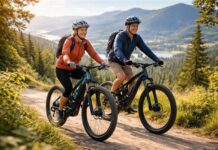
Gravel cycling has taken the cycling world by storm, combining the speed of road riding with the freedom of off-road adventure. Riders around the globe are swapping paved routes for dusty trails and forest tracks, discovering the thrill of exploration and endurance. But to truly enjoy the experience, you need a bike that’s up to the challenge — a gravel bike built precisely for your riding style, terrain, and goals.
In this detailed guide, we’ll walk through how to build the ultimate gravel bike — from frame and drivetrain to wheels, tyres, and finishing touches. Whether you’re upgrading an existing setup or building from scratch, this article will help you make smart, performance-driven choices.
What Makes a Gravel Bike Unique?
A gravel bike bridges the gap between road and mountain bikes, designed for versatility and comfort on mixed surfaces. It’s built to handle dirt roads, light singletrack, and tarmac — offering stability, endurance geometry, and plenty of tyre clearance.
Key Characteristics
- Relaxed geometry: For comfort on long rides and rough terrain
- Wide tyre clearance: To accommodate tyres from 38mm to 50mm or more
- Disc brakes: For reliable stopping power in all conditions
- Multiple mounting points: For racks, fenders, and bottle cages
- Balanced stiffness and compliance: For both efficiency and comfort
Whether you ride gravel races, bikepacking adventures, or weekend explorations, the right build ensures confidence and enjoyment on any surface.
Step 1: Choosing the Perfect Gravel Bike Frame
Your frame is the foundation of your build. It determines ride quality, weight, and handling characteristics.
Frame Materials Overview
| Material | Pros | Cons | Ideal For |
|---|---|---|---|
| Carbon Fiber | Lightweight, stiff, vibration-dampening | Expensive, less impact-resistant | Racing & high-performance builds |
| Aluminum | Affordable, durable, light | Less comfortable on rough terrain | Budget-conscious riders |
| Steel (Chromoly) | Smooth ride, easy to repair | Heavier | Touring & bikepacking |
| Titanium | Strong, corrosion-resistant, lifetime durability | Very expensive | Ultimate custom builds |
Frame Geometry Tips
- Choose a longer wheelbase and slacker head angle for stability on descents.
- Look for a lower bottom bracket height for better control.
- Ensure your frame has plenty of clearance (at least 45mm tyres).
Top Brands for Gravel Frames
- Specialized Diverge
- Trek Checkpoint
- Canyon Grail
- Salsa Warbird
- Enve Mog
Step 2: Selecting the Right Groupset and Drivetrain
The drivetrain affects your bike’s speed, climbing ability, and reliability. Gravel bikes use both 1x (single chainring) and 2x (double chainring) setups.
1x vs. 2x Drivetrain
| Setup | Advantages | Disadvantages |
|---|---|---|
| 1x | Simpler, lighter, fewer components | Wider gear gaps, less top-end speed |
| 2x | More precise gearing, efficient cadence | Heavier, more complex maintenance |
Recommended Groupsets
- Shimano GRX – The first gravel-specific groupset, reliable and ergonomic.
- SRAM XPLR or Force AXS – Wireless shifting and wide gear range.
- Campagnolo Ekar 13-speed – Lightweight and premium mechanical performance.
For adventure and off-road riding, a 1x system with 11–42T or 10–44T cassette offers simplicity and sufficient range. If you spend more time on roads, consider a 2x system for smoother transitions.
Step 3: Choosing the Ideal Wheelset
Wheels determine how your bike feels on gravel — affecting rolling resistance, acceleration, and comfort.
Wheel Size: 650B vs. 700C
- 700C wheels are faster and roll more efficiently on smoother gravel or tarmac.
- 650B wheels allow wider tyres for better traction and comfort on technical terrain.
| Wheel Size | Best For | Max Tire Width | Ride Feel |
|---|---|---|---|
| 700C | Mixed terrain & endurance | ~45mm | Fast & efficient |
| 650B | Technical trails & bikepacking | ~50mm+ | Plush & stable |
Material & Rim Width
- Carbon wheels reduce weight and increase stiffness, but come at a cost.
- Aluminium rims are affordable and durable for everyday riding.
- Choose an internal rim width between 23–25mm for optimal tyre support.
Pro Tip:
Always go tubeless. Tubeless tyres allow lower pressures for improved grip and fewer punctures.
Step 4: The Right Tires for the Terrain
Your tyre choice can make or break your gravel experience. The right tread pattern and width depend on where you ride most.
Tire Selection by Terrain
| Terrain Type | Recommended Width | Tread Type | Example Tires |
|---|---|---|---|
| Hardpack / Mixed Gravel | 38–42mm | Small knobs / slick center | WTB Riddler, Panaracer GravelKing SK |
| Loose Gravel / Dirt | 42–48mm | Aggressive tread | Maxxis Rambler, Vittoria Terreno Dry |
| Mud / Wet Conditions | 45mm+ | Deep tread / open spacing | Specialized Pathfinder, Schwalbe G-One Bite |
Tire Pressure Guide
- 700C: 35–45 psi depending on weight and terrain
- 650B: 28–40 psi for comfort and traction
Experiment with pressures to find your balance between comfort and speed.
Step 5: Gravel Bike Cockpit and Contact Points
A comfortable cockpit enhances control and endurance during long rides.
Handlebars
Gravel bars have flared drops for stability and multiple hand positions.
Look for:
- 12°–16° flare for comfort
- Compact drop design for easy reach
- Optional aero tops for efficiency on fast sections
Popular options: Zipp Service Course SL-70 XPLR, Easton EC70 AX, PRO Discover
Stem & Spacers
- Choose a slightly shorter stem (by 10–20mm) than on your road bike.
- Add spacers for a more upright, endurance-friendly position.
Saddle
Comfort is key — consider endurance saddles with central cutouts and vibration absorption.
Top picks include: Fizik Argo Terra, Specialized Power, and WTB Volt.
Step 6: Finishing Touches — Pedals, Accessories & Extras
To complete your gravel build, think about practical touches that enhance your rides.
Pedals
- Clipless SPD pedals for efficiency (e.g., Shimano XT, Crankbrothers Candy).
- Flat pedals for beginners or casual gravel explorers.
Bottle Cages & Bags
Gravel frames typically include multiple mounts — take advantage of them:
- Frame and top-tube bags for tools and nutrition
- Fork mounts for water bottles on longer rides
- Rear rack mounts for bikepacking setups
Lights & GPS Units
For navigation and safety, consider:
- Garmin Edge or Wahoo ELEMNT Bolt for route tracking
- Rechargeable LED lights (front and rear) for visibility
Mudguards & Frame Protection
Gravel can be messy — fit removable fenders and use clear frame protection film on vulnerable areas.
Step 7: Setting Up for Performance and Comfort
Once assembled, fine-tune your setup for long-term comfort and control.
Bike Fit
Invest in a professional bike fit to avoid strain and improve power efficiency.
Small adjustments to saddle height, handlebar angle, and reach can make a big difference.
Suspension Seatposts & Forks
Modern gravel bikes often integrate micro-suspension systems like:
- Cane Creek eeSilk seatpost for comfort
- RockShox Rudy or Fox AX gravel forks for extra control on rough tracks
Step 8: Budget Planning — What It Costs to Build a Gravel Bike
Here’s a rough breakdown of component costs for different build levels:
| Component | Entry-Level (£) | Mid-Range (£) | High-End (£) |
|---|---|---|---|
| Frame & Fork | 600 | 1,200 | 2,000+ |
| Groupset | 400 | 900 | 1,500+ |
| Wheelset | 300 | 700 | 1,200+ |
| Tires & Tubeless Setup | 100 | 150 | 250 |
| Cockpit (bars, stem, saddle) | 200 | 400 | 600 |
| Pedals & Accessories | 100 | 200 | 400 |
| Total Estimated Build | 1,700 | 3,550 | 5,950+ |
Step 9: Custom Paint & Personalisation
Finally, make your gravel bike uniquely yours.
- Custom colour schemes (matte, metallic, or fade designs)
- Personalised decals with your name or logo
- Colour-matched bar tape and bottle cages
A custom aesthetic adds personality and pride to every ride.
Conclusion: Build Your Perfect Gravel Adventure Companion
Building the ultimate gravel bike is about balance — performance, comfort, and adventure-readiness.
Your ideal build should suit the terrain you love most, your riding style, and your budget. Whether you’re racing through backcountry trails, tackling endurance rides, or embarking on multi-day adventures, a well-designed gravel bike opens the door to endless exploration.
With thoughtful choices in frame, wheels, drivetrain, and finishing touches, you’ll create a machine that’s both rugged and refined — ready for every adventure that begins where the pavement ends.